How to Learn to Read the Quran: A Beginner's Step-by-Step Guide
A practical, step-by-step roadmap to learn to read the Quran as a beginner or adult — starting with the Arabic letters, using transliteration and audio, building fluency, and how long it realistically takes.
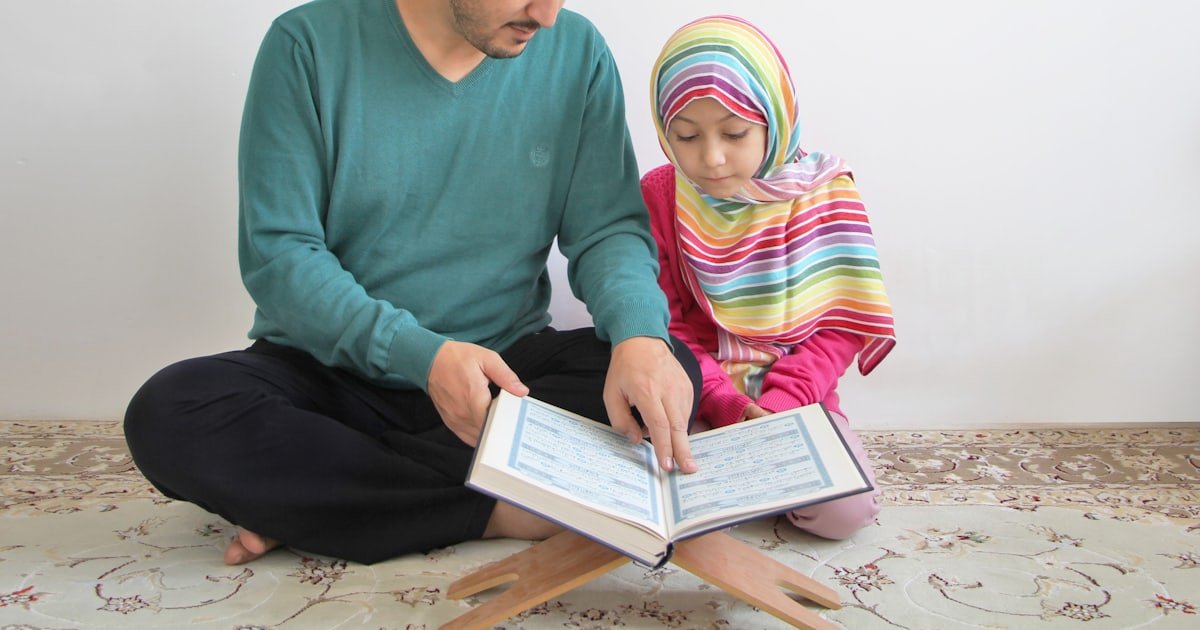
- Anyone can learn to read the Quran at any age — a consistent 15–20 minutes a day beats occasional long sessions.
- The proven path is letters → short vowels (harakat) → joining letters → short surahs, and only then fluency.
- Transliteration paired with audio is a bridge: it lets you recite correct Arabic sounds today while you learn the script.
- Most beginners can read simple Arabic in 3–6 months of daily practice; fluency in recitation takes longer and is normal.
If you have ever felt that reading the Holy Quran in Arabic is out of reach, this guide is for you. Learning to read the Quran is a skill like any other: broken into small steps and practised consistently, it is achievable for children and adults alike. This is a practical roadmap from the very first Arabic letter to reading short surahs with confidence.
1. Start With the Arabic Alphabet
The Arabic alphabet has 28 letters. Each letter has a name and a sound, and most change shape slightly depending on whether they appear at the beginning, middle, or end of a word. Do not try to memorise everything at once — learn the letters in small groups, and say each sound aloud. Use the transliteration pronunciation key to connect each Arabic letter to a Roman-script symbol you already recognise.
2. Learn the Short Vowels (Harakat)
Arabic is written mostly with consonants; the short vowels are small marks written above or below the letters: fatḥah (a), kasrah (i), and ḍammah (u). Once you can add these three sounds to any letter, you can read most simple syllables. This is the single most important step for turning shapes into sounds.
3. Practise Joining Letters Into Words
Arabic letters connect to form words, and their shapes flow together. Start with two- and three-letter combinations, then whole short words. Reading the opening surah, Al-Fatihah, line by line — with the Arabic, transliteration, and audio side by side — is an ideal early exercise because you likely already hear it daily in prayer.
4. Use Transliteration and Audio as a Bridge
While your Arabic reading is still slow, transliteration lets you recite the correct Arabic words today. Read the Roman-script line, listen to the word-by-word audio highlighting each word, and match your voice to the reciter. This trains your ear and mouth for sounds that do not exist in English, such as ʿayn (ع) and ḥāʾ (ح). For more on how this works and its limits, see Quranic Arabic vs transliteration.
5. Build Fluency With Short Surahs
Move to the short surahs at the end of the Quran (Juz ʿAmma). They are brief, rhythmic, and often already familiar. Read each one repeatedly until it flows, then add the next. This is also the point to begin the basics of tajweed — the rules of correct pronunciation and elongation — so good habits form early.
How Long Does It Take?
With consistent daily practice, most beginners can read simple vowelled Arabic within 3 to 6 months. Reading fluently and applying tajweed comfortably takes longer — often a year or more — and that is completely normal. The people who succeed are not the fastest; they are the ones who show up for 15–20 focused minutes every day.
A Realistic Daily Routine
- 5 minutes — review letters or vowels you are currently learning.
- 10 minutes — read a short passage from the Quran reader with transliteration and audio.
- 5 minutes — repeat one short surah you are memorising until it flows.
Consistency and correct sound are the goal — not speed. Wondering whether reading in transliteration counts while you learn? See is it OK to read the Quran in transliteration, and once you are ready to focus on memorising, read how to memorize the Quran.
Frequently Asked Questions
Can an adult learn to read the Quran from scratch?
Yes. There is no age limit to learning to read the Quran. Adults often progress quickly because they can study systematically. The key is consistency — around 15 to 20 minutes of daily practice — starting with the Arabic letters and short vowels, and using transliteration with audio as a bridge while the script becomes familiar.
How long does it take to learn to read the Quran?
With consistent daily practice, most beginners can read simple vowelled Arabic within about 3 to 6 months. Reading fluently and applying tajweed comfortably usually takes a year or more. Progress depends far more on daily consistency than on long, infrequent sessions.
What is the first step to learning to read the Quran?
The first step is learning the 28 Arabic letters and their sounds in small groups, then adding the three short vowels (fatḥah 'a', kasrah 'i', ḍammah 'u'). Once you can attach those vowels to any letter, you can begin sounding out simple words and short surahs.
Can I learn to read the Quran using transliteration?
Transliteration is an excellent bridge that lets you recite correct Arabic sounds while you learn the script, especially when paired with audio. It is not a permanent replacement for reading Arabic, because some Arabic sounds cannot be captured perfectly in Roman letters. Use it to start today and keep progressing toward the Arabic text.