The Ultimate Guide to Reading Quran Transliteration: Rules, Symbols, and Pronunciation Tips
Master reading Quran transliteration with confidence. Learn diacritical symbols, macron vowels, emphatic letters, and how transliteration bridges Arabic script for non-native speakers.
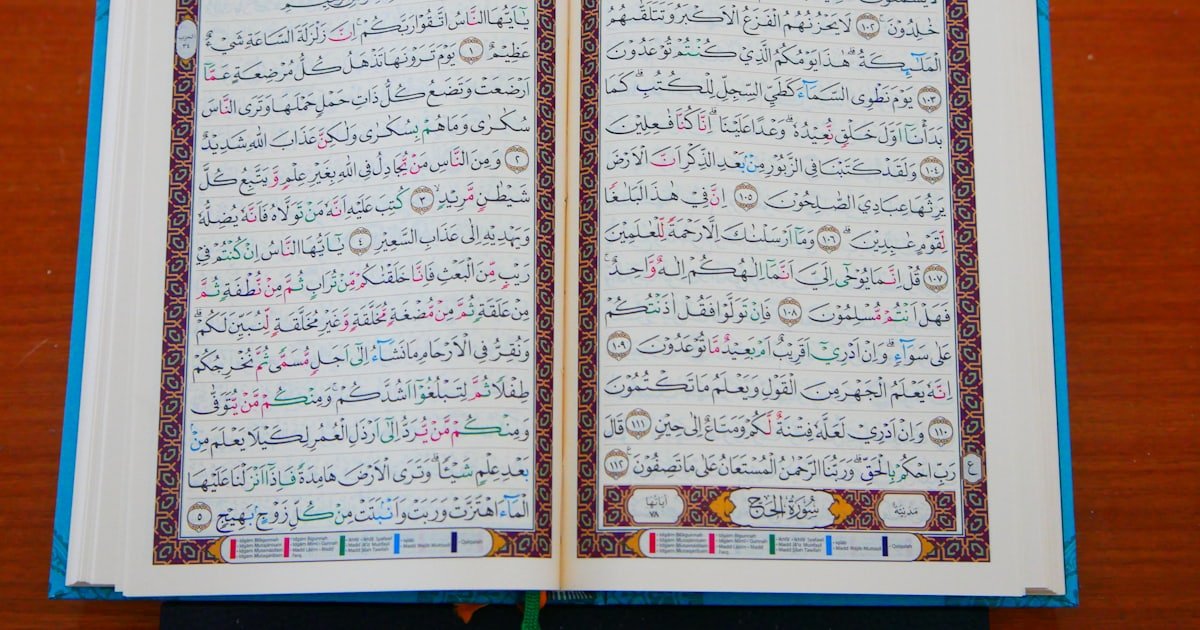
- Transliteration uses specialized Latin symbols (like ā, ī, ū, and Ḥ) to represent Arabic phonemes that do not exist in English.
- Vowel length is vital in Quranic recitation: short vowels (a, i, u) vs long vowels (ā, ī, ū) change meaning dramatically.
- Throat letters (ع 'Ayn, ح Ḥā, خ Khā, غ Ghayn) require specific articulation points (Makharij) in the vocal tract.
- Transliteration is an intermediate bridge—listening to qualified audio recitation alongside reading guarantees correct Tajweed.
For millions of Muslims around the world who are not native Arabic speakers, reading the Holy Quran in its original Arabic text can initially present a steep learning curve. Quran transliteration provides a precise phonetic bridge, using the Latin alphabet combined with standardized diacritical marks to represent Arabic sounds accurately.
However, reading transliteration effectively requires understanding the specific conventions used to differentiate similar sounds—such as distinguishing a light s from a heavy ṣ, or a standard h from a deep throat ḥ. This comprehensive guide covers all fundamental transliteration symbols, vowel rules, and practical pronunciation tips.
1. The Role of Diacritical Symbols
Standard English letters are insufficient to map the 28 phonemes of the Arabic alphabet. To solve this, scholarly transliteration systems employ diacritical marks (dots below letters and macrons above vowels):
| Transliteration Symbol | Arabic Letter | Sound Description | Example Word |
|---|---|---|---|
| ā / ī / ū | ا / ي / و | Elongated long vowels (hold for 2 counts) | Al-'Ālamīn (العالمين) |
| Ḥ / ḥ | ح | Emphatic voiceless pharyngeal 'h' (friction in middle throat) | Al-Raḥmān (الرحمن) |
| Ṣ / ṣ | ص | Heavy emphatic 's' produced with back of tongue raised | Al-Ṣirāṭ (الصراط) |
| Ḍ / ḍ | ض | Heavy emphatic 'd' (unique to Arabic language) | Al-Ḍāllīn (الضالين) |
| Ṭ / ṭ | ط | Heavy emphatic 't' | Al-Ṭayyibāt (الطيبات) |
| Ẓ / ẓ | ظ | Heavy emphatic voiced 'th' | Al-Ẓālimīn (الظالمين) |
| ' / ‘ (Ayn) | ع | Deep throat constriction ('Ayn) | Al-'Alīm (العليم) |
2. Understanding Vowel Durations (Madd)
In Quranic recitation (Tajweed), mistaking short vowels for long vowels alters both meaning and grammatical structure. Transliteration clearly distinguishes these length variations:
- Short Vowels (Fathah, Kasrah, Dammah): Represented as simple
a,i, andu. Recited with a quick single beat (e.g., kataba). - Long Vowels (Madd Asli): Represented with macrons
ā,ī, andū. Extended for two beats (e.g., Qālū, Qīla). - Extended Prolongations (Madd Wajib / Ja'iz): Often indicated in text with double macrons or accent waves (e.g., Jāaa'a), stretching from 4 to 6 beats.
3. The Heavy vs. Light Letters (Tafkhim & Tarqiq)
Arabic letters are divided into heavy (Tafkhim) and light (Tarqiq) sounds. Emphatic letters fill the mouth with a resonant echo, whereas light letters produce a slender, open sound.
Comparing these pairs highlights why attention to transliteration dots is crucial:
- Sa (س) vs. Ṣa (ص): Sīn is light like "seen", while Ṣād is heavy like the sound in "saw".
- Ta (ت) vs. Ṭa (ط): Tā is soft like "tea", while Ṭā is deep like "tall".
- Da (د) vs. Ḍa (ض): Dāl is light, while Ḍād presses the tongue against upper molars.
4. Practical Tips for Reciting with Transliteration
Step 1: Always Listen Alongside Reading
Transliteration is a visual guide, but Arabic phonetics are auditory. Always play audio recitations from renowned Qaris (such as Sheikh Mahmoud Khalil Al-Husary or Mishary Rashid Alafasy) while following the transliterated text.
Step 2: Note Silent Connecting Letters
When reading continuous verses, initial vowels on Alif Lam (Hamzat al-Wasl) are often elided. For example, Wa al-shams is pronounced and transliterated as Wash-shams (Sun Letters assimilation).
Step 3: Gradually Transition to Arabic Script
Use transliteration as a stepping stone. As you grow accustomed to verse rhythms and word boundaries, compare the transliteration line by line with the Uthmani Arabic text on our Surah Browser — Surah Al-Fatihah is the ideal place to begin.
Continue Learning
Once the symbols make sense, put them to work: learn the word-by-word method to build vocabulary, apply the rules in our Tajweed for beginners guide, and understand the bigger picture in Quranic Arabic vs transliteration.
Frequently Asked Questions
What does the macron (the line above a vowel) mean in Quran transliteration?
A macron marks a long vowel — ā, ī, and ū are held roughly twice as long as the short a, i, and u. Vowel length changes meaning in Arabic, so 'ālim (one who knows) is different from 'alim (pain). Stretching long vowels correctly is essential to reciting the Qur'an accurately.
What is the difference between h and ḥ in transliteration?
The plain 'h' is a soft breath like the English 'h' in 'house'. The 'ḥ' with a dot underneath is a heavier sound produced from the middle of the throat, with no English equivalent. Transliteration uses the dot to keep these two distinct Arabic letters (ه and ح) apart.
Is reading Quran transliteration enough to recite correctly?
Transliteration gets you close, but several Arabic sounds have no exact Latin equivalent, so pairing it with audio recitation from a qualified reciter is important. Read the Roman-script line while listening to the word-by-word audio to train your ear to correct Tajweed.